The Fascinating World of Napoleon: A Card Game with a Historical Twist
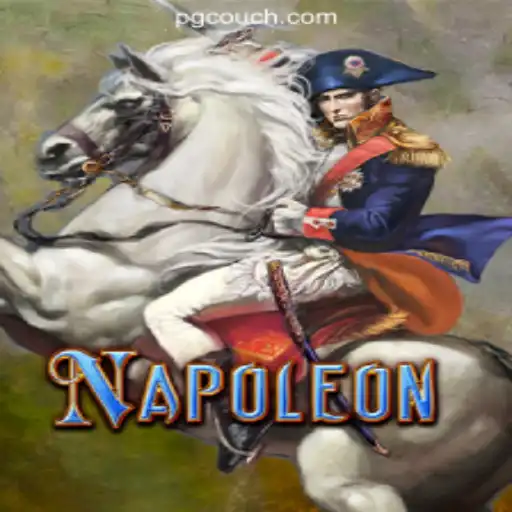
The world of card games is vast and diverse, spanning genres and themes that captivate players from all walks of life. One such intriguing game is Napoleon. This strategic card game brings the grandeur and tactics of history to the tabletop, offering players a taste of conquest and strategy akin to the campaigns of its namesake, the legendary French military leader, Napoleon Bonaparte. With its appearances on platforms such as COUCHPG Oficial Slots Brasil #1, Napoleon has garnered attention, appealing to both history enthusiasts and gaming aficionados worldwide.
Introduction to Napoleon
Originating from the early 19th century, Napoleon is a trick-taking card game. It draws inspiration from the military campaigns and strategies employed by its namesake. This game allows players to step into the shoes of generals and tacticians, maneuvering their forces with the ultimate aim of seizing victory through careful planning and tactical prowess.
While Napoleon has traditional routes that can be tracked back to historical card games like Whist and Bridge, it has carved out its own niche in the gaming world. Adaptations like the one on platforms such as COUCHPG Oficial Slots Brasil #1 emphasize its growing popularity, marrying the strategic depth of classic card games with modern digital interfaces.
The Mechanics and Rules of Play
Playing Napoleon involves sharp wits and a keen understanding of trick-taking mechanics. Typically played with 3-7 players, the game uses a standard deck of 52 cards. The objective is simple yet challenging: to win a required number of tricks, announced as a bid at the beginning of each round.
A dealer distributes five cards to each player, beginning the bid process. The player declaring the highest bid assumes the role of the "Napoleon" and sets out to fulfill their promise of winning specific numbers of tricks. The game’s strategic essence lies in this bidding system, with players weighing their chances and trick-winning potential within their hands.
Special Cards and Gameplay Variations
- Joker Card: Often introduced to add layers of complexity, the joker serves as a wild card, capable of altering the outcome of trick battles.
- Napoleon’s Minister: A card chosen by the leading player after the bid, it acts as a powerful ally helping Napoleon achieve their set objectives.
- Negativity Points: In certain versions, failing to achieve a stated bid results in negative scoring, pushing players to calibrate their bets carefully.
Some variations introduce additional elements like a dedicated trump suit, giving higher flexibility in strategy. Players can expect rich and varied gameplay experiences that shift with each new round and hand dealt.
Strategizing in Napoleon: Key to Mastery
What sets Napoleon apart from other trick-taking games is its emphasis on decision-making and strategy. More than mere reliance on luck, players are expected to adapt to the evolving dynamics of each round, analyzing opponent moves—foreseeing potential counter-strategies and recalibrating their own plans effectively.
Mastering this game involves a keen sense of observation and adaptability. Experienced players maintain a mental record of cards played, honing their decision-making skills not just to achieve their objectives but also to thwart the plans of their opponents.
Napoleon’s Impact on Modern Gaming Platforms
Seeing Napoleon make its way to platforms like COUCHPG Oficial Slots Brasil #1 signals a growing trend of traditional card games migrating to digital arenas, drawing in a new audience while keeping veteran players engaged with enhanced graphics and interactive interfaces. The shift also embodies a celebration of historic game varieties, contextualized within modern settings and diversifying player demographic engagement.
This transition into digital gaming doesn’t just keep the game alive but reshapes how it is played, experienced, and appreciated by a global audience. The game’s historical roots combined with digital evolution make for an engaging juxtaposition of education and entertainment.
The Renaissance of Historical Games in Contemporary Culture
In the fast-paced rhythm of today’s entertainment landscape, historical games such as Napoleon present a remarkable blend of culture and ingenuity. They offer more than mere leisure; they provide insights into past eras, their intricacies woven skillfully into every round of play. Participation in serious games like Napoleon becomes not only a matter of leisure but one of historical appreciation and deeper engagement with associated narratives.
As digital platforms continue to enhance accessibility and encourage interactions across regions, recognizing the cultural value in such games fosters a broader appreciation for their historical and educational elements. Many players find themselves delving deeper into strategies and historical contexts, thus enriching their overall gameplay experience.
All in all, Napoleon stands as a testament to the timeless appeal of strategic card games, evolving beyond its card-and-table origins into digital spaces that encourage new generations to engage with historical narratives in dynamic and immersive ways.